

Whether your habitat takes you to the woods, wetlands, mountains, or neighborhood parks, knowing your equipment, treating animals with respect, and adapting to the weather will make your images come alive.
Here are some wildlife photography techniques that will make sure every excursion outdoors turns into cherished photo memories with your eye on the camera! Avoid the hype, learn applicable skills, and stay away from shooting for luck!
Photographing wildlife involves far more than just focusing your camera on an animal. The best images require commitment and knowledge of wildlife behavior, as well as preparation and patience. Use these wildlife photography tips to sharpen your skills and ensure your safety, as well as that of wild animals.
Learning animal behavior is one of the greatest keys to successful wildlife photography. Animals have certain habits, like knowing where they sleep, eat, hunt, or travel. When you observe them, you will know where and when.
Take a moment to observe before you shoot. Watch their body language, observe how they move, and watch how they respond to other elements in the environment around them. This will greatly improve your wildlife photography because you will be able to compose your shot well before that perfect shot is made available. The more you learn about your subject, the more you eliminate luck.
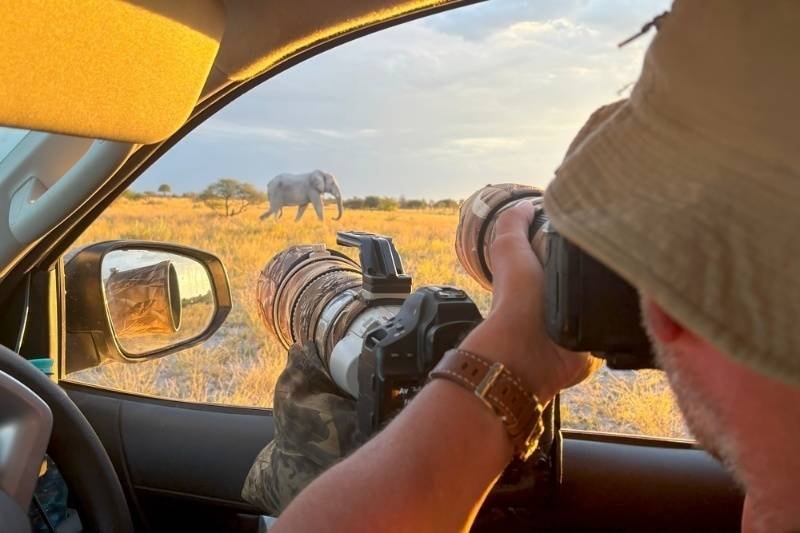
A good camera is important, but often the 'growing' consideration is the lens. For the majority of wildlife photography, a telephoto lens is the ideal choice. It provides the power to take the photo that the photographer desires without having to ‘get too close to the action.’ For birds, deer, foxes, and many other animals, a lens of between 300mm and 600mm is ideal.
Some useful telephoto lens tips include:
Following these wide telephoto lens tips can enhance the sharpness of your image with the assurance of a safe distance between yourself and the wildlife.
Most animals don't typically stay put for long. Birds are always taking off, deer are always bounding away, and squirrels are always zig-zagging. Reliable focus tracking may well be one of your most useful camera settings in these situations.
Continuous autofocus adjusts the focus while the animal is walking. Use autofocus tracking with your camera's burst mode to take several images in a second. Your chance of getting a 'keeper' jumps dramatically.
Practice on local birds or pets using focus tracking before tackling the more difficult wildlife. The more you know your camera, the faster you can react in the field.
Lighting is crucial in animal photography and outdoor photography. Early morning and late afternoon offer softer, warmer light, which results in natural colors and subtle shadows. This is also the time of day when most animals are at their most active. Capturing midday sunlight can cause harsh highlights and shadows, which can also detract from the quality of your picture.
Don't overlook cloudy days. Overcast lighting produces even light, meaning you can get great pictures of animals even when photographing animals that have dark or heavily textured fur.
Always start by respecting the wildlife when looking for the best way to photograph wildlife. Don't chase, stalk, or harass wildlife just to get close enough to take a photograph.
Implement these telephoto camera lens tips rather than getting closer. A longer lens supports normal action; animals therefore experience less fear & uneasiness. You are too close when an animal shifts its action due to your proximity.
By photographing wildlife ethically outdoors, photographers are able to get a more natural photo and also help the wildlife.
Animals can be very flighty. Using a quick shutter speed will halt movement and help keep the image pin-sharp.
For better animal photography, consider these settings:
Combine these with reliable focus tracking, so your camera keeps following movement during each shot.
Most beginners walk all the time, searching for animal and bird photography. Advanced photographers stop and wait quietly at places.
Perhaps the most important of all wildlife photography tips is patience, but it is also one often overlooked. Animals will settle back to their normal behavior after being acclimatized. Chances are, if you camp out near water, feed, or natural paths, they are the best rewards.
Quiet observation also contributes to developing your wildlife photography, as it enables you to take more deliberate compositions instead of hurried grabs.
Effective composition can make ordinary photos extraordinary. Instead of centering all animals in your pictures, follow the rule of thirds to keep your compositions more appealing. Allow some path in front of moving animals so the viewer can freely follow their movement. Include some part of that environment if it is appropriate for your outdoor use.
Try using a clean, uncluttered background for your animal shots that will not take away too much attention from your subject. Clean backgrounds help your shots look more professional.
Shooting outdoors takes more than knowing your camera settings. The weather can change rapidly. It can look gorgeous in the forest and the mountain areas.
Pack these essentials:
Prepping helps you concentrate on photography instead of unanticipated hassles. Preparing appropriately will also help to safeguard your equipment on lengthy wildlife trips.
Any editing should enhance your photographs, but never make wildlife appear unnatural. Alter brightness, contrast, shadows, and sharpness judiciously and always maintain natural coloration.
No over-saturation. No fake backgrounds. Real editing stays true to the essence of photography. It keeps your images natural and captures the beauty of what you experienced outside.
Getting to the point where you can start gathering wildlife photography tips takes experience, patience, and respect for the wild.
Each trip will teach you a little more about lighting, camera techniques, animal moods, and photo composition. Use a combination of the best telephoto lens tips, focus tracking, animal shooting techniques, and outdoor photography planning to get all the best wildlife photos possible while respecting the creatures and habitat you love to photograph.
Variations in weather will also give variations in the kind of shot you are able to achieve. Warm sunlight during a clear morning can add a golden glow, whereas overcast conditions result in even, neutral lighting and gentle shadows. Light drizzle or mist can also work well in an outdoor environment, provided that you are able to keep equipment dry.
Yes. Beginners can achieve stunning shots of animals simply by understanding camera functions, learning to adapt focus tracking, studying the subjects' behavior, and practicing composition. High-end equipment definitely helps, but time, observation, and patience generally make a far bigger difference to the pictures.
Images are most likely to be blurry because of slow shutter speed, camera movement, or focusing errors. To make your images sharper more often, use faster shutter speeds, turn on focusing tracking, practice the practical telephoto lens tips, and steady your camera whenever you can.
False. Great wildlife photography opportunities are sitting in local parks, nature preserves, wetlands, beaches, and even your backyard all year long. Birds, squirrels, rabbits, and butterflies are perfect subjects for putting the wildlife photography tips into action.
This content was created by AI