

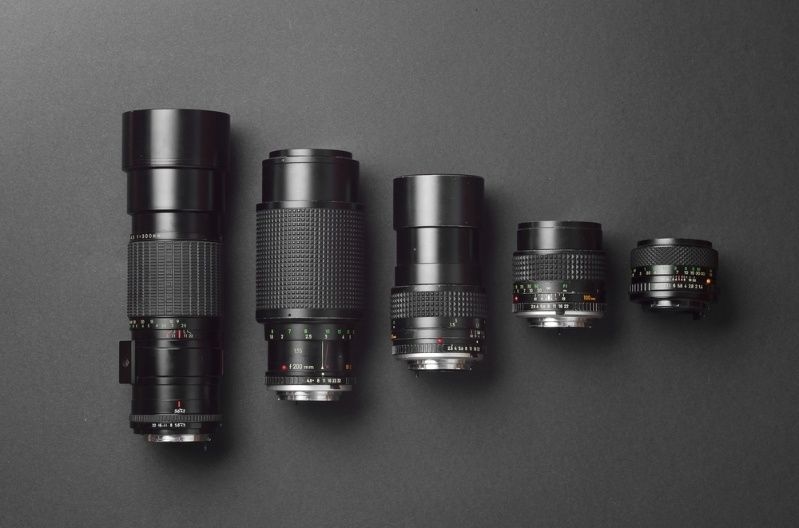
Choosing the camera lenses is a really big deal for photographers. The camera body is what everyone talks about. The lens is what really makes the picture look good. It affects how clear the picture is, how things look, and how deep they seem. The lens also affects the picture's appearance. When you are taking pictures of people, landscapes, or animals that are far away, the right lens helps you get pictures that look like a professional took them. You control how your pictures look.
This guide talks about the kinds of lenses you can use. There are lenses for taking pictures of people that make them look really good. There are landscape photography lenses that capture a lot of the scene. There are lenses for photographing animals from a distance. The guide also gives you some ideas for lenses you can use to take many kinds of pictures.
Camera lenses are more important in photography than many new photographers think. The camera body takes the picture. The lens decides how the scene looks and is shown. It helps to decide how much of the surroundings is in the picture, making the background blurry or not, and helps to focus on the thing you are taking a picture of.
A good lens makes the picture sharp, the colors right, and the light and dark areas balanced so you can see the details clearly. Lenses help to control how much of the picture is in focus, which is important for making choices. Photographers can make the thing they are taking a picture of stand out by using a background or by keeping everything in the picture sharp.
Also, the lens quality affects how well the picture turns out in light and reduces distortion that can make lines or perspectives look weird. The right lens can turn pictures into great ones.
A good portrait lens is really great for taking pictures of people because it helps capture a person's personality and how they are. All the little details. This type of lens softens the background, making the person in the picture stand out. A good portrait lens makes pictures look professional and nice with a balance and depth that is easy on the eyes, and it has nice proportions. A good portrait lens is what you need to take good pictures of people.
Landscape photography needs lenses that show scenes with sharp detail all over the frame. A good landscape lens helps take in lighting, big terrains, and rich textures. You should make an effort for:
Wildlife photography needs lenses that can zoom in on subjects that are far away. These lenses help photographers take pictures of birds flying, animals moving quickly, and natural scenes that are far away.
They need to keep the image clear and in focus. The lenses have to be accurate when focusing on the subject. These lenses help in capturing birds in flight, moving animals, and distant natural scenes with precision.
Building a versatile lens kit helps photographers adapt to styles and environments. Real lenses offer flexibility and strong performance across photography genres, including portrait, landscape, sports, and wildlife. A good lens kit lets photographers capture high-quality photos in a variety of settings. It also enables them to experiment with techniques and styles.
For example, a photographer can use a wide-angle lens for landscape photography and a telephoto lens for wildlife photography. The right lenses make a difference in photo quality. They help photographers capture the moment and achieve their vision.
Proper maintenance helps preserve lens quality and ensures long-term performance. Regular care protects image quality and extends the lifespan of valuable equipment. Here are some maintenance tips:
When you choose the camera lenses, it really makes your pictures look better by making them clearer and more interesting. The lenses that are good for taking pictures of people make the person stand out. The background looks soft. Lenses good for landscape photography can capture a wide area and keep everything sharp. The lenses that are good for taking pictures of animals can bring distant objects into focus.
If you know how the lenses affect how your picture looks, you can make choices about what equipment to use. When you have the lenses, you can take pictures of many different things and places, and they will still look professional. Buying lenses that are recommended by photographers is a good idea because it helps you get the equipment you need to take the pictures you want. This way you can capture moments and make them look really good. Camera lenses are important because they help you take sharp, high-quality pictures. The right camera lenses can really help you take pictures of people, scenery, and animals. tic impact.
A 50mm prime or 24–105mm zoom lens is versatile and easy to use for various photography styles.
Prime lenses have simpler optical designs and fixed focal lengths, resulting in sharper images and wider apertures.
Higher-quality lenses typically offer better sharpness, faster autofocus, improved low-light performance, and stronger durability.
This content was created by AI