

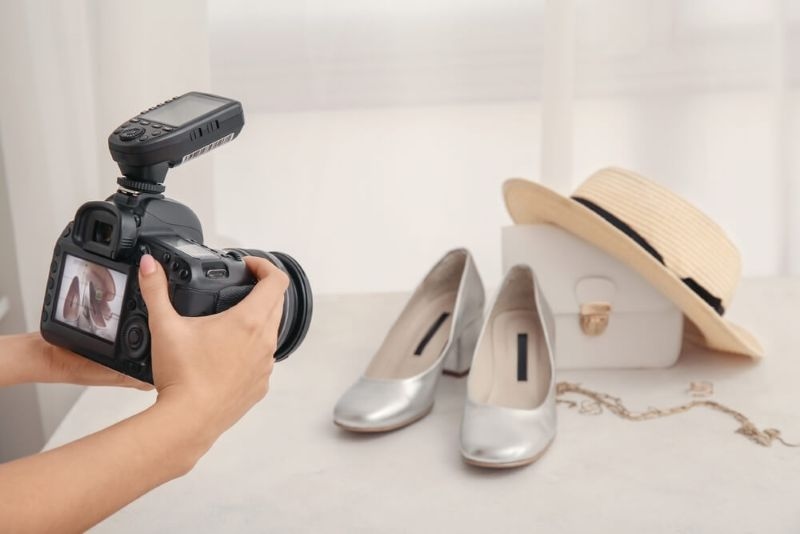
Product photography at home is the process of creating professional product images without renting a studio. It allows sellers to control how their products appear online. This approach is not just practical in 2026; it is necessary for many growing brands.
This blog will explain to you everything about professional product photos at home. It will also help you to understand the best steps to find the right lens for your product photography.
Must Read: Smartphone photography tips for better mobile pictures
Online shoppers do not hold a product in their hands. They look at photos. They zoom in. They judge quality based on what they see. That is the reality of digital shopping.
If the images look unclear, buyers hesitate. If the product color looks different in every image, they lose trust. Clear visuals answer silent questions before they are even asked.
Product photography at home gives sellers speed and control. New stock can arrive, and photos can be taken the same day. With packaging changes, images can be updated immediately. There is no waiting. No scheduling delays.
You can check the following factors for a DIY product photography setup:
The background should not compete with the subject. A white or light neutral surface works well for most categories. It allows the product to stand out clearly.
Busy patterns create distraction. Textured fabrics may look stylish, but they can distract from the focus. Sometimes, simple looks plain at first.
A stable table prevents unwanted movement. Even slight shaking can reduce sharpness.
A tripod helps maintain the same framing for every image. This matters when uploading multiple products to an online store. When the angles remain consistent, the store appears structured. Stability may seem basic. It is not optional.
The shooting space should be clean and intentional. Random objects in the background weaken the image quality.
Reflections from nearby surfaces can also affect results. A controlled environment makes it easier to manage shadows. Once the setup is arranged properly, future shoots become smoother and faster.
The importance of lighting for product photography is explained in the list below:
Natural window light can produce soft results. It spreads evenly and feels neutral. For many beginners, this is the easiest starting point. But direct sunlight creates harsh shadows. Strong highlights may hide product details.
Mixing indoor bulbs with daylight can change the product color. One side may look warm. The other side may look cool.
It is better to choose one light type and stay consistent. This keeps colors accurate. Customers expect the product to match what they see online.
Lighting from the side adds dimension. It reveals surface texture and shape naturally. Front lighting alone often removes depth. A small shadow can make the image look real.
Top Pick: Travel Photography Tips for Budget-Friendly Adventurers
You can find the best lens for product photography in the list below:
Small items need closer focus ability. Larger products require more space in the frame. Understanding the working distance helps prevent distortion. When the lens handles close detail well, the final image appears sharp and clean.
A lens should capture straight edges without bending lines. Clarity matters more than advanced options. Test images under normal lighting conditions reveal real performance. The best lens for product photography is the one that delivers consistent results.
A versatile lens works for different product sizes. It saves time and avoids constant switching. Future needs should be considered. Growth often brings new product categories. Equipment should support that shift without major changes.
These ecommerce photography tips focus on clarity and trust. Online selling depends heavily on visual information.
One image is rarely enough. Customers want to see the front, back, and sides. Close-up shots show material quality and important details. This reduces uncertainty. When buyers can examine the product visually, they feel more confident.
Consistency builds identity. If every product photo follows the same structure, the store feels organized. Background tone, framing, and lighting should not change randomly. A consistent look supports brand recognition over time.
Important elements must be visible. Stitching, buttons, texture, and finishing details should be clear. These features influence decisions. Small details can shift perception quickly. Practical ecommerce photography tips are not about decoration. They are about clarity.
Smartphone product photography has improved steadily. Many devices now capture sharp and balanced images.
Most sellers already own a smartphone. This removes the barrier of complex equipment.
Basic camera controls are easy to understand. With stable positioning and proper light, results can look professional.
Images can be edited directly on the device. Brightness and contrast adjustments improve clarity quickly.
Files can be uploaded immediately. This speed helps when managing new stock or limited releases.
A smartphone is lightweight. It allows easy positioning around the product.
Smartphone product photography works especially well for social content and quick updates. It offers flexibility without technical complexity.
Improvement often comes from small adjustments. Consistency and attention to detail shape the final outcome.
Dust appears clearly in close shots. Fingerprints reflect light and reduce quality.
Cleaning the product before each session prevents unnecessary editing later. A simple cloth can make a visible difference.
The product should not feel crowded inside the frame. Leave space around it.
Check alignment before capturing. Slight angle adjustments may improve balance. Good composition looks natural, even when carefully planned.
Editing should correct exposure and clarity. It should not change the true color of the product.
Heavy filters create unrealistic results. Subtle corrections are usually enough. Product photography at home improves gradually through steady practice.
Product photography at home gives sellers control, speed, and consistency. With a structured setup, balanced lighting, thoughtful lens selection, and careful editing, professional results are possible without a studio. Small improvements made regularly build stronger visuals. Clear images lead to trust, and trust supports steady growth in 2026.
Yes, beginners can start with a simple setup and natural lighting. Practice improves results over time.
Lighting for product photography directly affects clarity, shadows, and color accuracy.
The best lens for product photography is one that delivers sharp and consistent images.
This content was created by AI